 Mobius Institute
This article follows a practical reading path: what makes oil analysis difficult, how teams reduce false alarms, and why Level 2 training helps engineers turn laboratory results into confident maintenance decisions.
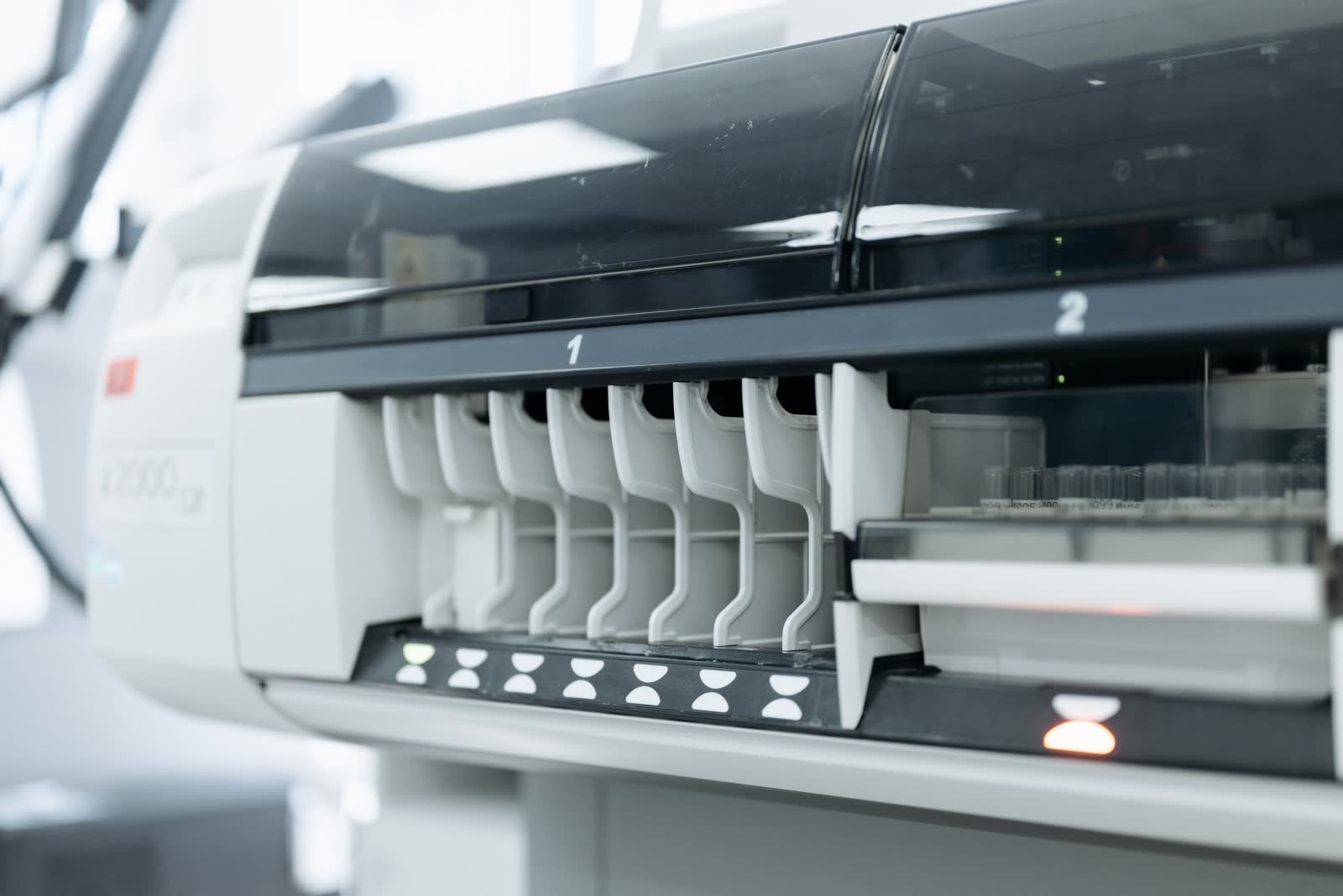
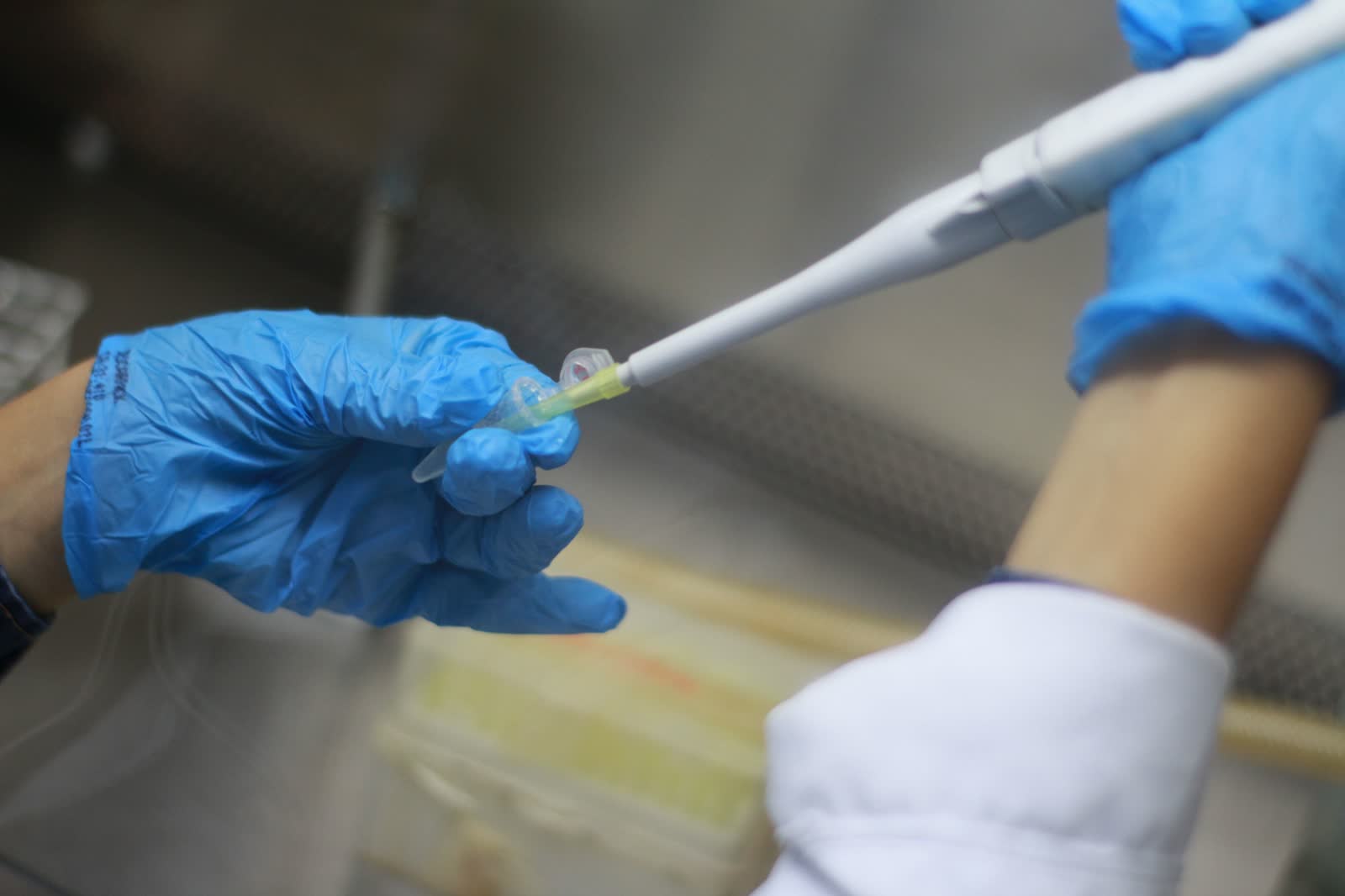
Why oil analysis interpretation becomes difficult
Predictive maintenance programs generate viscosity, wear metal, particle count, additive depletion and contamination data. A single abnormal number rarely tells the whole story, so engineers need equipment history, operating environment and complementary condition data before deciding what to do next.
The article calls out a common field problem: borderline results can trigger unnecessary work, while subtle but real trends can be missed when teams do not know how to separate noise from a developing failure mode.
A cleaner decision workflow
Good oil analysis programs standardize the sampling point, sampling method, test slate and alarm logic. They also compare results against asset-specific trends instead of relying only on generic limits.
Modern condition monitoring tools can combine oil data with vibration, temperature and inspection findings. That cross-check is where a report becomes a maintenance decision, especially on critical gearboxes, turbines, hydraulics and circulating systems.
Training changes the response
The article's core training message is still the right one: advanced oil analysis skills help teams reduce downtime, extend machine life and lower maintenance cost by reading small changes before they become expensive failures.
For teams that already receive lab reports, the next improvement is usually not more data. It is stronger interpretation, better threshold design and a tighter loop between the analyst, the maintenance planner and the equipment owner.